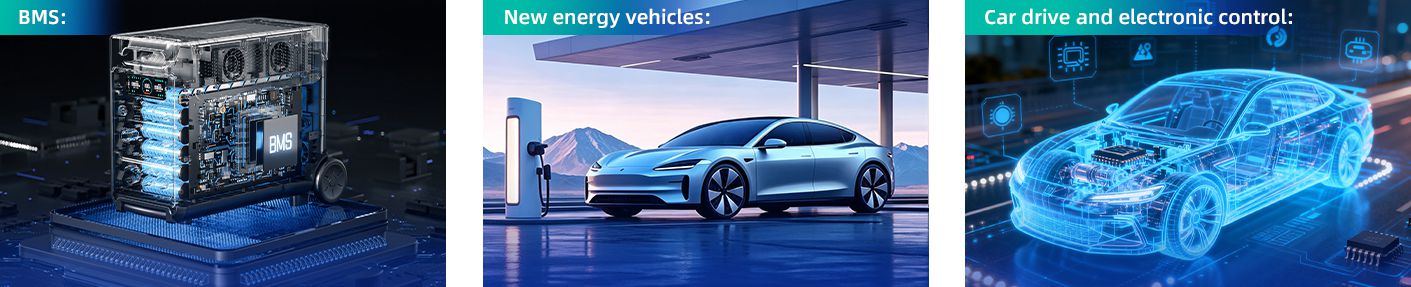
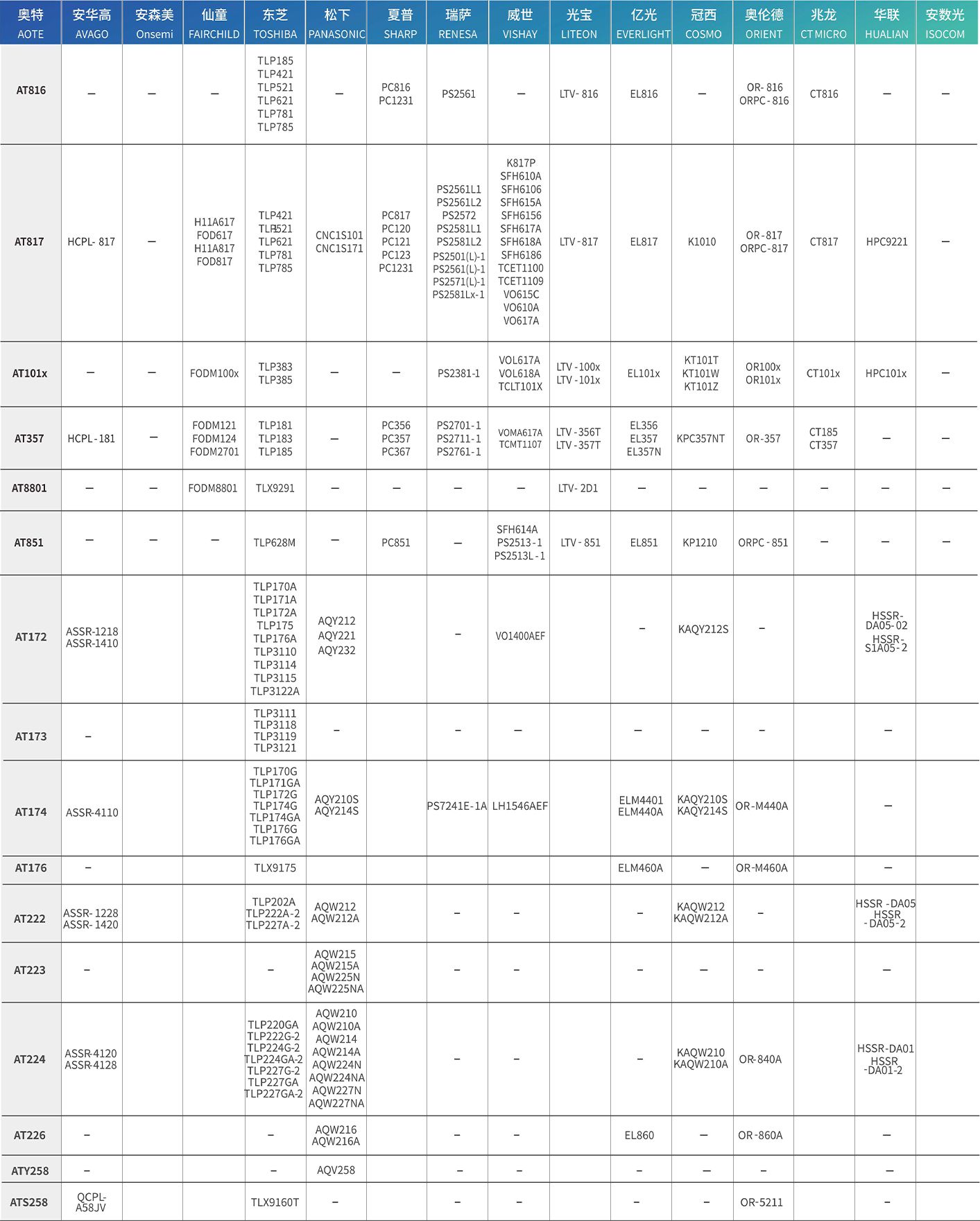
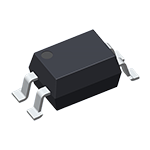
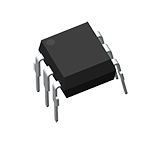
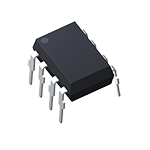
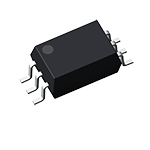
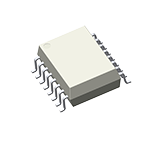
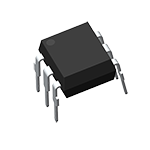
In new energy equipment such as photovoltaic energy storage and new energy vehicles, optocouplers achieve electrical isolation between high-voltage power circuits and low-voltage control circuits, resisting high-voltage surges and high-frequency electromagnetic interference to ensure signal transmission safety. The AT17X and AT22X series are suitable for switch signal isolation and drive protection applications, while the ATY258 and ATS258 are used for sampling and protection signal isolation in battery management systems (BMS) and inverters. The AT6N137 handles high-speed digital communication isolation, the AT074L and AT0631 meet high-power drive isolation requirements, and the AT33XJ series adapts to multi-level isolation applications. These devices effectively prevent high-voltage intrusions from damaging main control chips, ensuring reliable transmission of sampling, drive, and protection signals, meeting stringent safety standards for new energy applications, and enhancing the operational stability and fault response capability of the entire system.
BMS:
In the Battery Management System (BMS), optocouplers achieve electrical isolation between the high-voltage battery circuit and the low-voltage main control unit, blocking high-voltage surges and electromagnetic interference to ensure safe transmission of sampling and protection signals. The AT81X, AT101X, and AT35X series are used for power feedback and general switch signal isolation; the AT3HX and AT85X series support the transmission of BMS overcurrent and overvoltage fault protection signals; the AT8801, ATV158, and AT258 series handle battery voltage and current analog sampling isolation; the AT2XX and AT17X multi-current transmission ratio series are compatible with various signal conditions, preventing high-voltage intrusion from damaging the main control chip, ensuring accurate battery monitoring data, enabling balanced control and rapid fault protection, meeting the isolation safety requirements of new energy BMS, and enhancing overall system reliability.
New energy vehicles:
In the electronic control, BMS, and on-board charging systems of new energy vehicles, optocouplers achieve electrical isolation between the high-voltage circuit of the power battery and the low-voltage control motherboard, suppressing surges and electromagnetic interference caused by motor start stop and power switch. The AT8801 high-precision linear optocoupler is used for analog sampling and isolation of bus voltage and battery current, ensuring the authenticity and accuracy of collected signals. At the same time, it cooperates with other optocouplers to complete the isolation and transmission of drive and fault protection signals, preventing high-voltage backflow from damaging the low-voltage main control components, meeting the strict safety standards of on-board vehicles, and ensuring the reliable operation of vehicle power control, battery monitoring, and fault protection functions.
New energy vehicle drive and electronic control:
In the electric drive and control system of new energy vehicles, optocouplers achieve electrical isolation between the high-voltage inverter power circuit and the low-voltage control unit, blocking high-voltage surges and strong electromagnetic interference generated by power device switches. AT81X, AT101X, AT35X are used for power feedback and isolation from ordinary switch signals; AT3HX and AT85X are responsible for transmitting power circuit fault protection signals; AT8801, ATV158, AT258, ATM6XX high-precision linear optocouplers complete bus voltage and motor current analog sampling isolation; AT2XX and AT17X multi speed CTR series are suitable for various signal isolation conditions; AT6N13X realizes high-speed digital communication isolation between boards; AT772X, AT053X, AT063X are used for IGBT and other power transistor drive isolation, effectively avoiding high-voltage intrusion and damaging the main control chip, ensuring stable and reliable sampling, driving, and protection signals, meeting the requirements of vehicle high-voltage safety regulations, and improving the control accuracy and overall operational reliability of the electric drive control system.